Protect the Earth with “Bottles” Take Action to Ensure the Safety of “Bottles”
March 2022
Chengdu Da Ai Gan En Officially Launches the “Bottle Safety Project ” [ ]
Volunteer Matching
Calling on the Public to Protect the Environment
Reduce the Use of Plastic Products
Actively Practice Waste Sorting
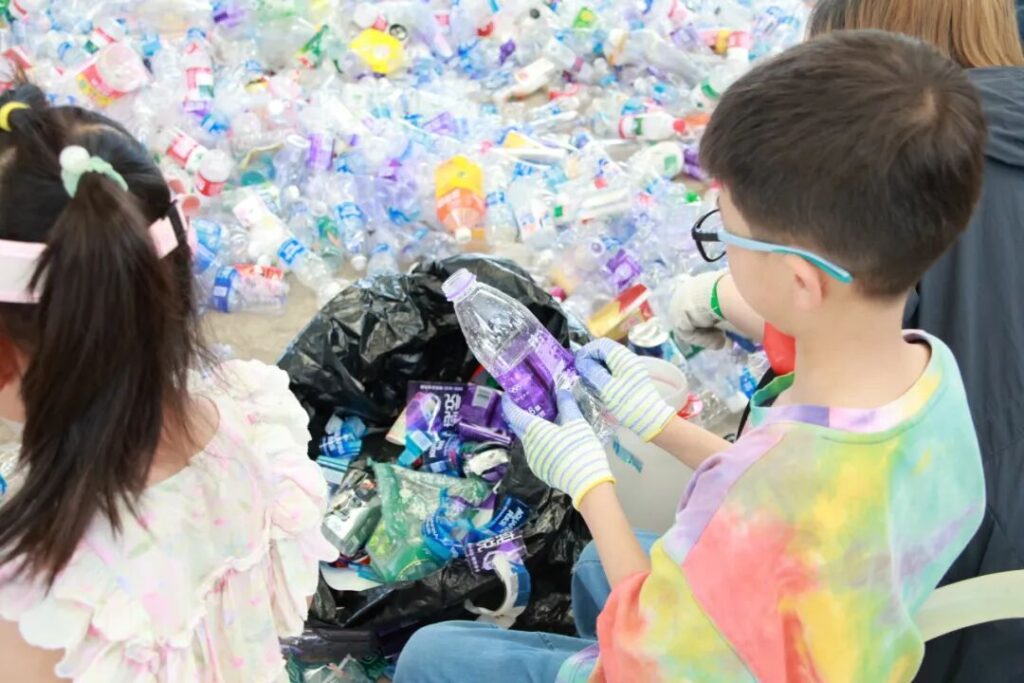
Promoting the Recycling and Reuse of Plastic Bottles
From 2022 through the end of 2025, the [Bottle Safety Initiative] systematically promoted plastic bottle recycling through a volunteer network, achieving significant results in areas such as public participation, recycling efficiency, carbon emissions reduction, and raising public awareness.
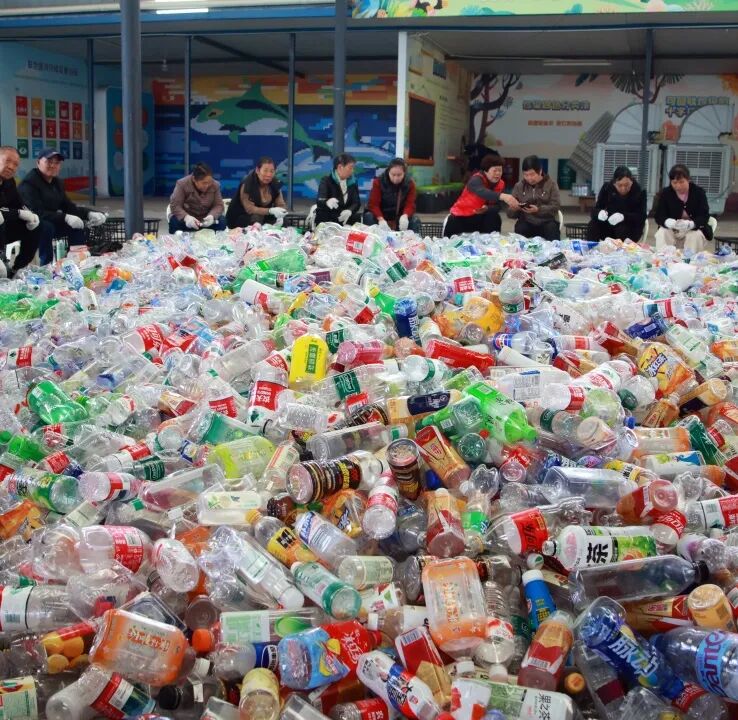
If these plastic bottles aren’t recycled but are simply tossed aside on the side of the road, what will become of them?
Awaiting degradation
It takes 450–500 years for a plastic bottle to fully degrade in the natural environment. During this lengthy process, it gradually breaks down into microplastics, which seep into the soil, flow into the ocean, and eventually find their way back to us through the food chain.
Incineration
Burning plastic releases toxic substances such as fly ash and dioxins, posing serious risks to the atmosphere and human health. Although modern incineration plants are equipped with advanced purification technologies capable of treating some of these harmful substances, pollution is not the only cost—the greater waste lies in the fact that the resources contained within the plastic itself are also burned to ashes.
It’s important to remember that plastic bottles are made from petroleum. The polyester fibers in the clothes we wear every day are also derived from and processed from petroleum. If every discarded plastic bottle isn’t put to good use, that’s petroleum being burned for nothing—resources that could have been turned into clothing, blankets, and hope.
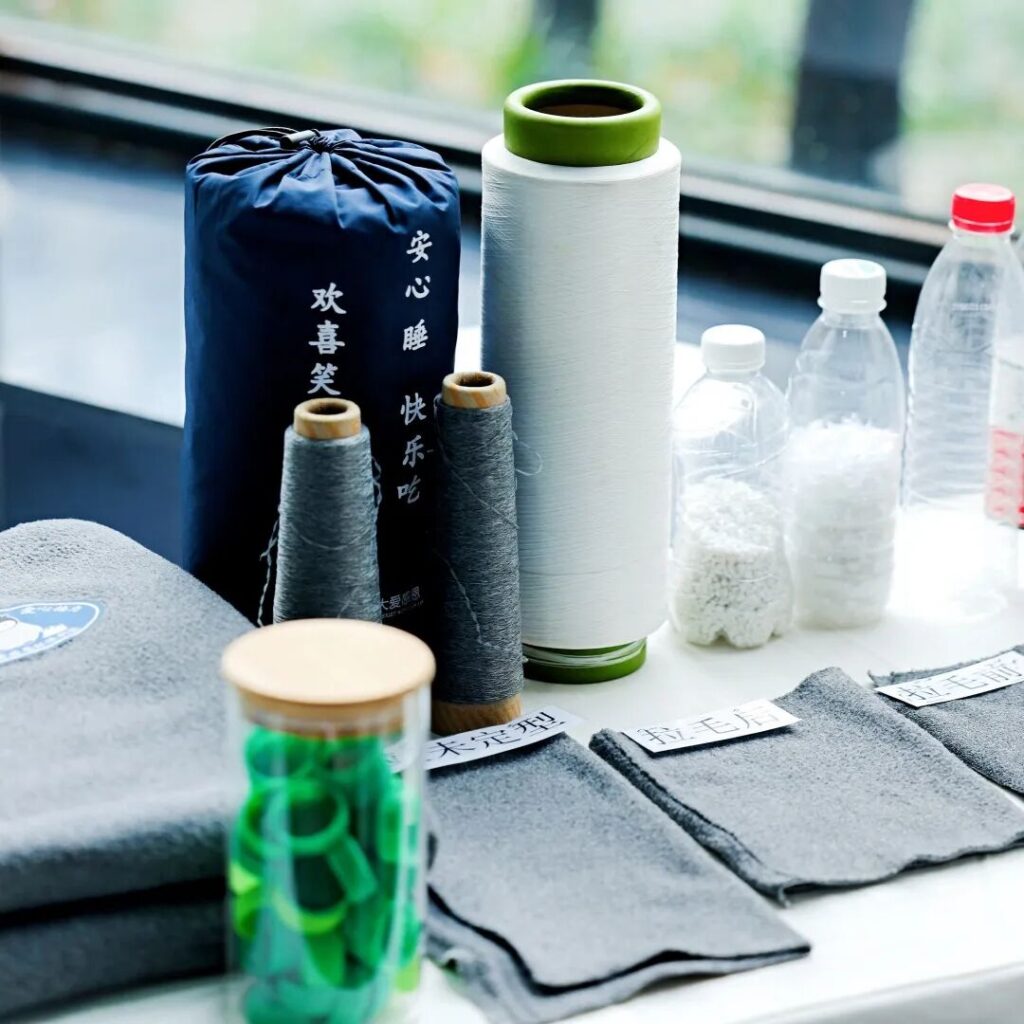
Fortunately, technology now exists that allows plastic bottles to be “reborn” as clothing and blankets—conserving petroleum resources while also extending the life of these items and showing respect for them.
The seemingly simple “from recycling to regeneration” process
Behind the scenes, however, a great deal of effort was put into it.
Just the initial campaign to collect plastic bottles alone
It would require a significant investment of manpower and resources
What’s more, from a used plastic bottle to a finished product
In between, there are several complex and precise processes to go through.
01
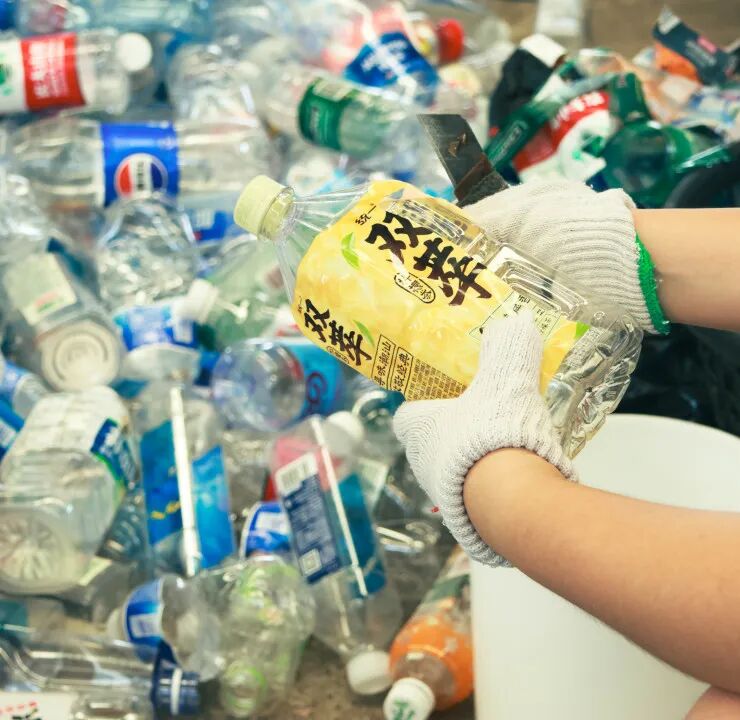
Manual Processing
Remove the caps and labels from the recycled plastic bottles, compress them into bottle bricks, and send them all to our partner factory.
02
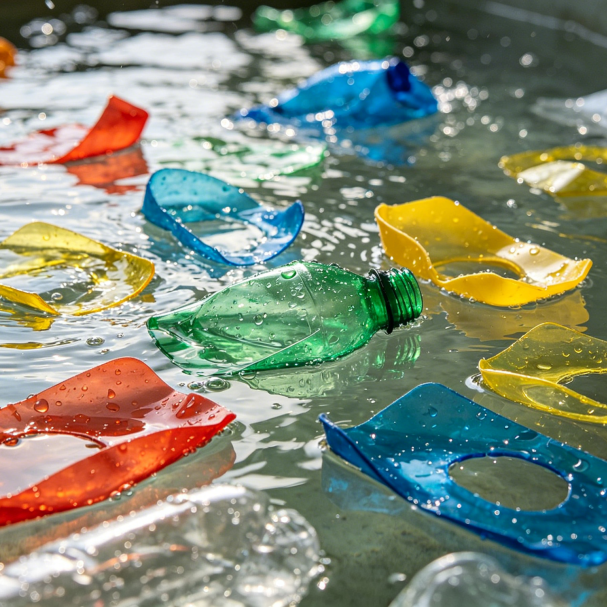
Crushing and Washing
Plastic bottles are crushed into flakes, which undergo multiple rounds of washing to remove labels, adhesives, and surface oil, eliminating more than 90% of organic impurities.
03
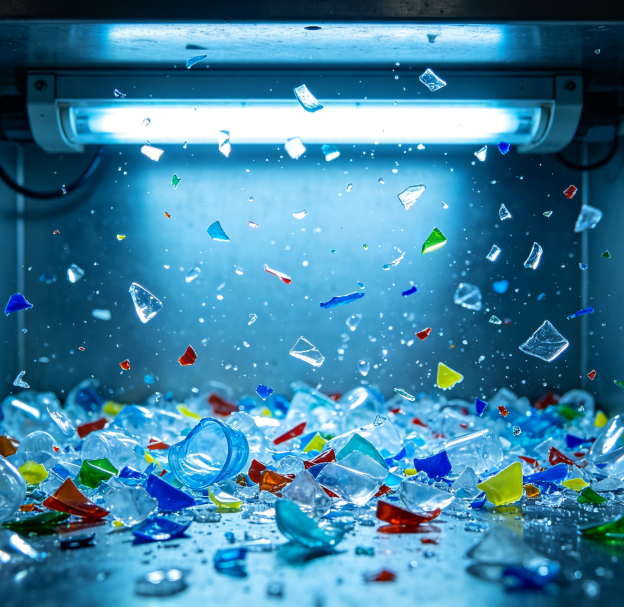
Sterilization and Disinfection
Bottle preforms undergo rigorous sterilization and disinfection to ensure they are clean and safe.
04
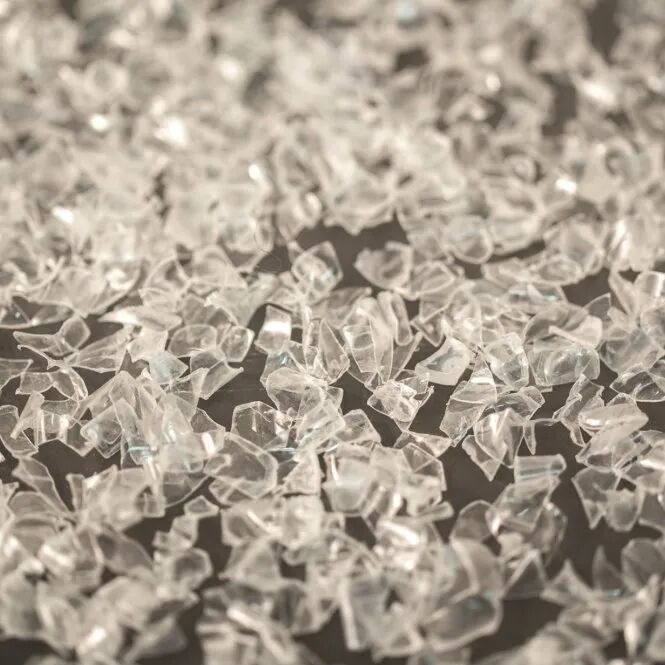
Filtering Out Impurities
Precision screening is used to remove substandard bottle flakes, ensuring consistent raw material quality.
05
High-Temperature Melting
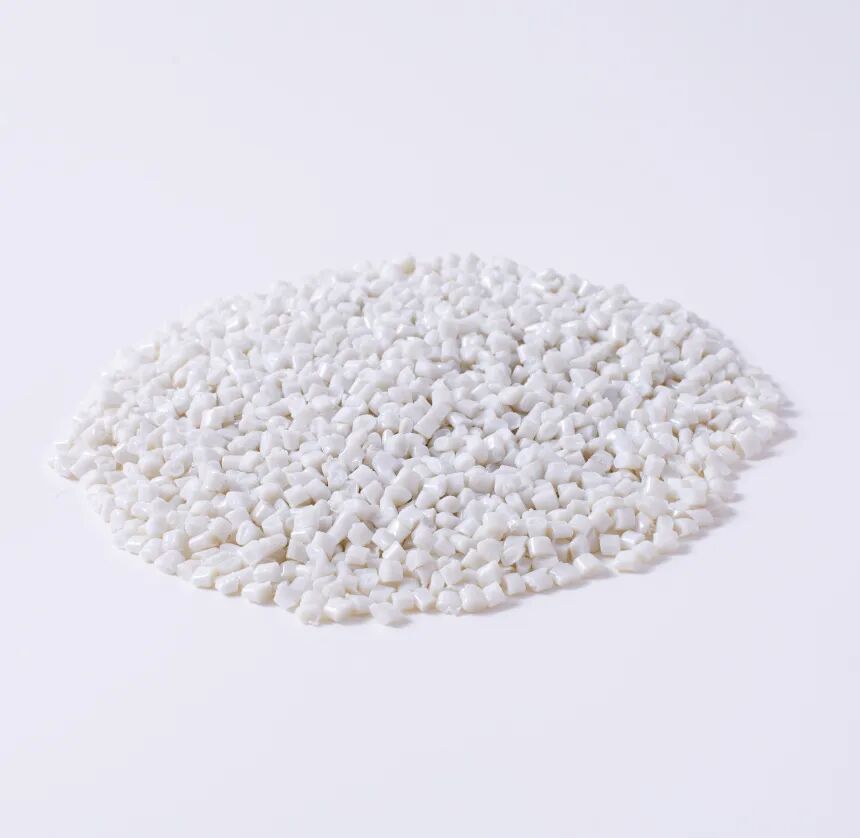
The bottle flakes are melted at high temperatures of 260–300°C to form polyester pellets (a physical reaction that occurs in a low-oxygen environment due to the purity of the raw materials, and does not release any toxic substances).
06
Spinning into Yarn
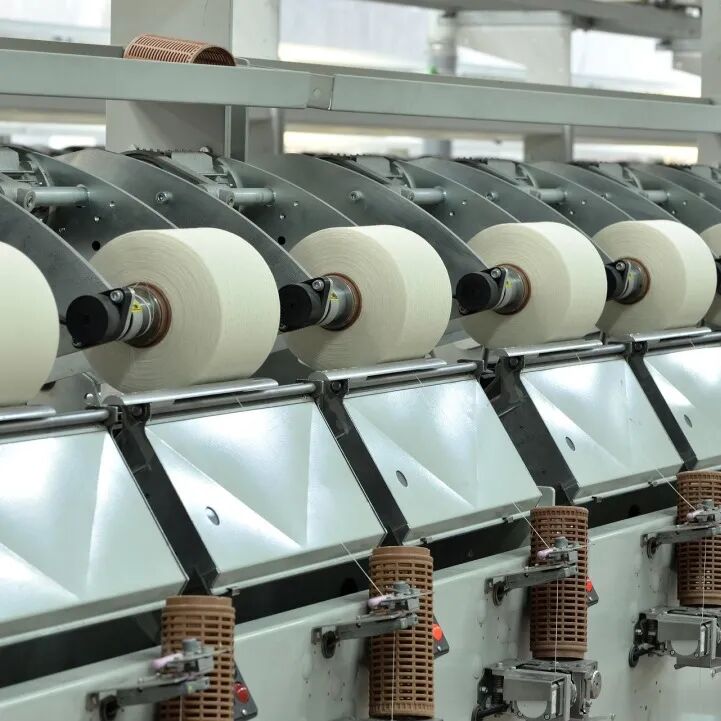
Polyester pellets are fed through an extruder and spun into fine filaments.
07
Textile Fabric Production
Threads are woven into fabric, which is then made into products such as blankets and clothing.
Safety is our bottom line
You might be wondering: Are items made from plastic bottles safe?
Rest assured, every step of the process meets rigorous quality standards:
✅ The bottle fragments undergo multiple rounds of cleaning, disinfection, and sorting to ensure consistent quality and cleanliness.
✅ The high-temperature melting process is a physical reaction that takes place in a sealed, low-oxygen environment and does not release toxic substances.
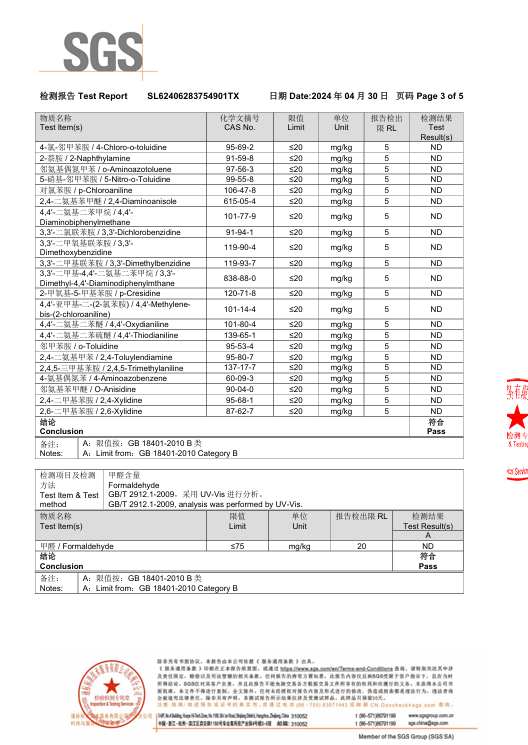
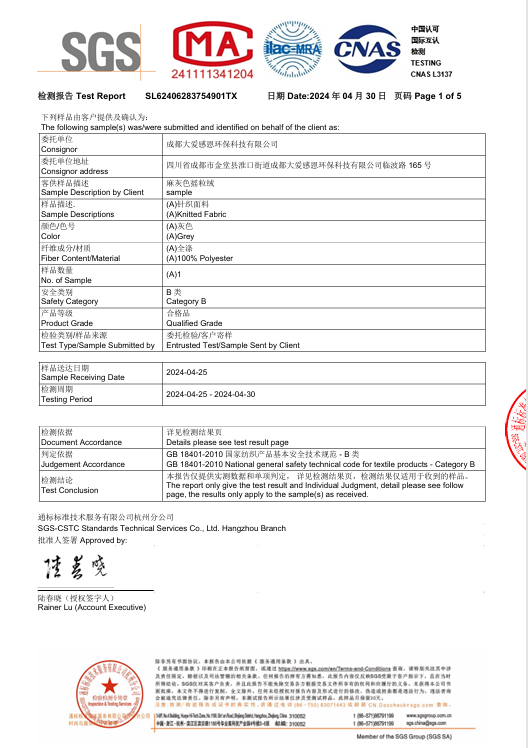
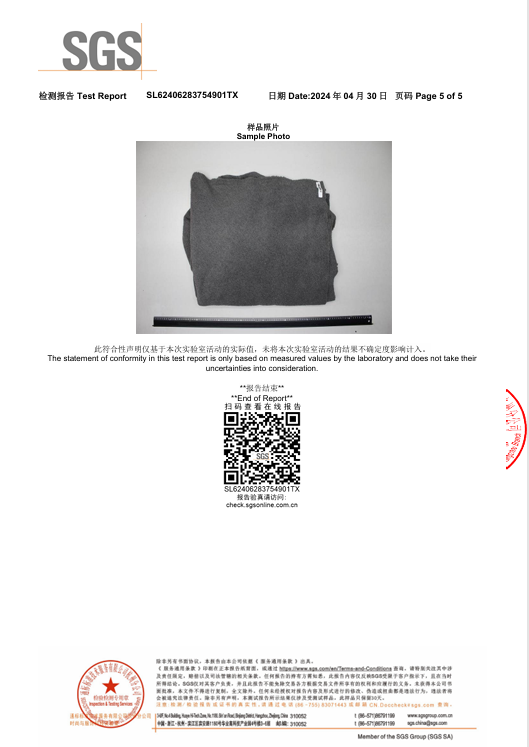
✅ The finished product has passed authoritative safety testing by SGS, ensuring it is free of toxic substances such as aromatic amines, so you can use it with confidence.
From empty bottles to finished products, every step stands up to scrutiny.
A Bottle's Journey Through Recycling
Since its inception, the Bottle Safety Initiative has consistently upheld the environmental philosophy of “Making resources recyclable and making the world a better place.”
The 117 metric tons and 5.89 million plastic bottles collected through the “Bottle Safety” initiative can be used to make approximately 98,100 blankets 🧣
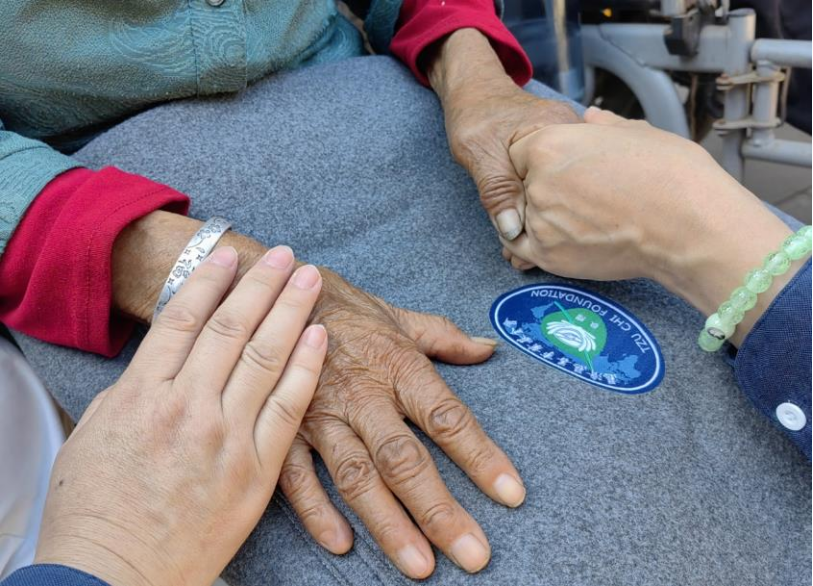
Instead of being tucked away in a closet, these blankets were sent to the places that needed warmth the most—
🌍 International Disaster Relief Efforts—Bringing the first wave of warmth to disaster-stricken communities in the aftermath of earthquakes, floods, and typhoons, our blankets have been delivered to 13 countries.
📚 Schools in Remote Areas—Delivering winter school uniforms and blankets to children in mountainous regions.
🏠 On the front lines of disaster relief—our blankets have reached 30 provinces and municipalities across the country. We’re always at the forefront, bringing genuine warmth to those in need.
Behind each of these blankets and items of clothing lies the collective love and kindness shared by everyone participating in the “Bottle Safety” initiative.